
Read this blog to learn about the uPVC vs Aluminium windows, their features, pros, cons, and which one you should choose for your home or office needs.

Windows play a crucial role in defining the aesthetics, energy efficiency, and functionality of a home or building. Among the most popular materials for modern windows are uPVC (unplasticized polyvinyl chloride) and aluminium. Each material offers unique advantages and design possibilities, making the choice largely dependent on individual preferences and requirements. This blog explores the differences between uPVC and aluminium windows, covering aspects like durability, design, cost, and energy efficiency.
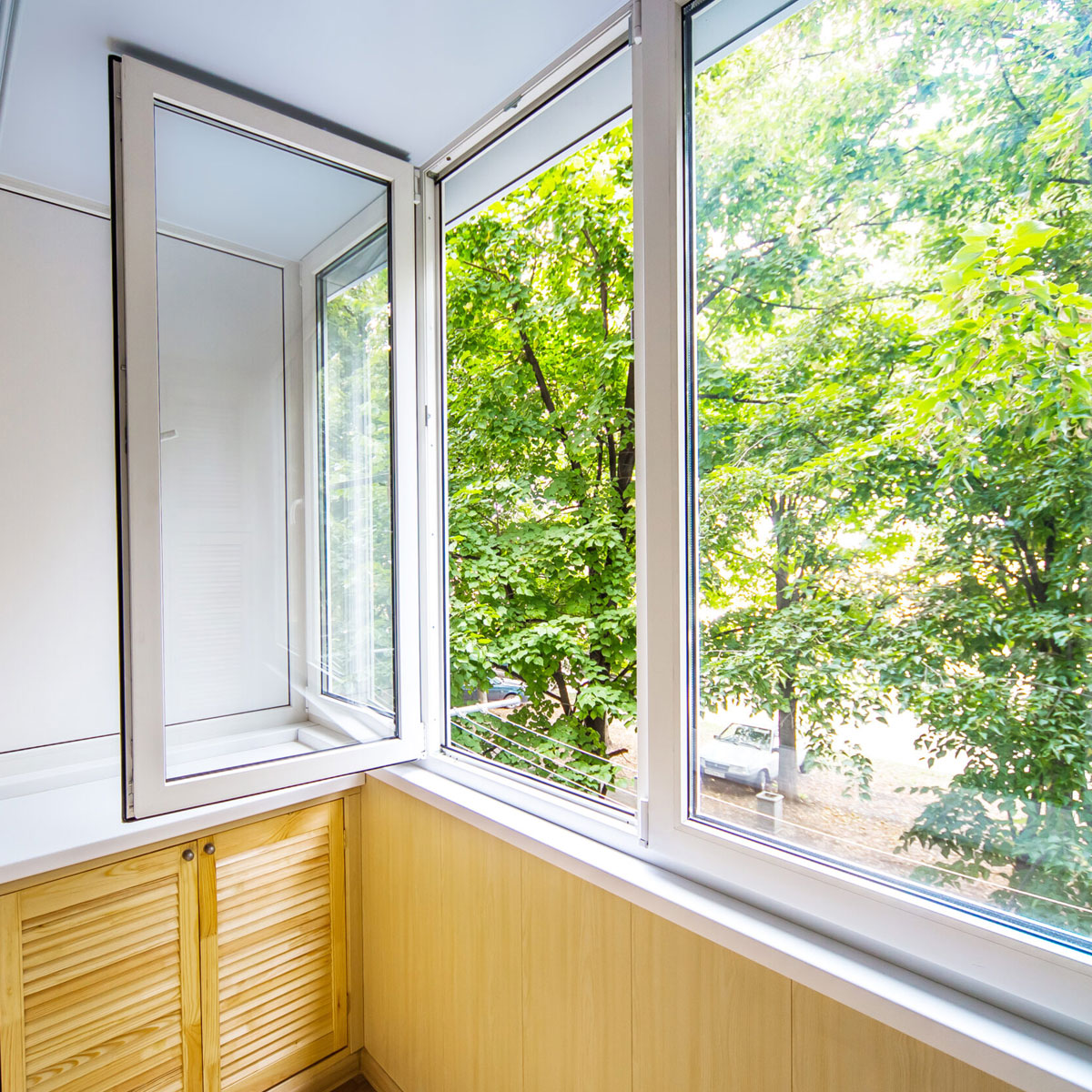
uPVC, or unplasticized polyvinyl chloride, is a rigid and durable material widely used for window frames. uPVC windows are known for their excellent insulation properties, affordability, and low maintenance requirements. The material is resistant to weather, corrosion, and moisture, making it ideal for various climates.
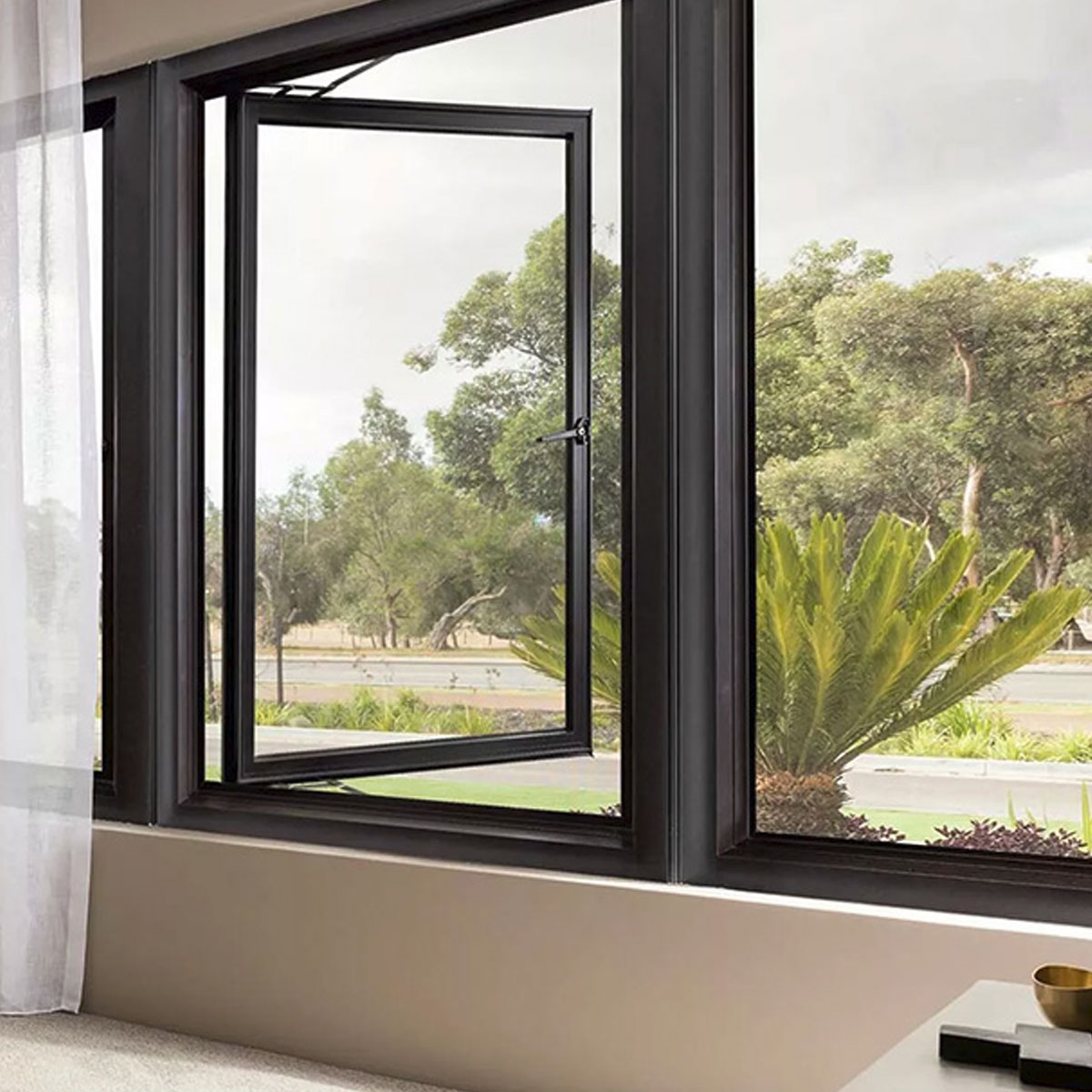
Aluminium windows are crafted from lightweight yet strong aluminium frames. Known for their sleek and modern appearance, aluminium windows are a popular choice in contemporary architecture. They offer excellent structural strength and can accommodate larger panes of glass, enhancing natural light and visibility.
Both uPVC and aluminium windows are durable, but they excel in different ways. uPVC windows are resistant to rot, corrosion, and weathering, making them ideal for humid or coastal environments. However, they may not match the lifespan of aluminium windows, which can last up to 45 years or more with proper maintenance.
Winner: Aluminium windows, for their superior longevity.
uPVC windows are excellent insulators, offering better thermal efficiency compared to aluminium. While modern aluminium windows with thermal breaks have improved insulation, uPVC remains the better choice for energy-conscious homeowners.
Winner: uPVC windows, for superior thermal insulation.
Aluminium windows have a sleek and minimalist design that complements modern architectural styles. Their slim frames allow for larger glass panels, creating an expansive and airy feel. uPVC windows, while versatile, may not achieve the same slimline elegance as aluminium.
Winner: Aluminium windows, for modern aesthetics.
uPVC windows are generally more affordable than aluminium windows. They offer great value for money without compromising on quality or performance. Aluminium windows, while more expensive, are considered a long-term investment due to their durability and premium appearance.
Winner: uPVC windows, for cost-effectiveness.
Both materials are low-maintenance, but uPVC windows require slightly less effort. Aluminium windows may need occasional polishing to maintain their finish, especially in coastal areas prone to salt exposure.
Winner: uPVC windows, for ease of maintenance.
uPVC windows come in various styles, including casement, sliding, and tilt-and-turn designs. They also offer a range of finishes, including woodgrain textures. Aluminium windows, however, provide unmatched flexibility in terms of customization, with endless possibilities for frame shapes, colors, and finishes.
Winner: Aluminium windows, for design flexibility.
Aluminium is a recyclable material, making it more eco-friendly compared to uPVC, which is derived from petroleum products. While uPVC windows can be recycled, the process is less environmentally sustainable than that of aluminium.
Winner: Aluminium windows, for sustainability.
Aluminium windows are available in various stylish and functional designs. They offer strength, sleekness, and versatility, ideal for modern spaces. Here are some popular aluminium window designs:
uPVC windows come in a variety of designs, each catering to different functional and aesthetic needs. Whether you're looking for better ventilation, space-saving solutions, or a more expansive view, there's a uPVC window style that fits perfectly with your home’s design and requirements. Here are some popular uPVC window designs:
When choosing between uPVC and aluminium windows, your decision will largely depend on personal preferences and priorities.
Both uPVC and aluminium windows have their unique strengths. uPVC is an excellent choice for homeowners seeking cost-effective, energy-efficient, and low-maintenance options. Aluminium windows, on the other hand, appeal to those looking for modern designs, durability, and sustainability.
By carefully weighing the pros and cons of each material and considering your specific needs, you can make an informed decision to enhance the aesthetics and functionality of your space. Additionally, you can schedule an online consultation with our experts at Fable Windows.
Q1. What are uPVC windows?
A: uPVC (unplasticized polyvinyl chloride) windows are durable and low-maintenance windows that provide excellent insulation. They are resistant to weather, moisture, and corrosion, making them ideal for various climates.
Q2. What are aluminium windows?
A: Aluminium windows are made from lightweight yet strong aluminium frames. They are known for their sleek, modern appearance and ability to accommodate larger panes of glass, maximizing natural light and offering a more open feel.
Q3. Are aluminium windows more expensive than uPVC windows?
A: Yes, aluminium windows are generally more expensive than uPVC windows. However, they are considered a long-term investment due to their durability and premium appearance.
Q4. Which material is more durable, uPVC or aluminium?
A: Aluminium windows are typically more durable than uPVC windows. While both materials are resistant to weather and corrosion, aluminium windows can last up to 45 years or more with proper maintenance, compared to uPVC windows which may have a shorter lifespan.
Q5. Which type of window is better for modern homes?
A: Aluminium windows are better suited for modern homes due to their sleek, minimalist design and slim frames. These frames allow for larger glass panels, enhancing the overall aesthetic and natural light.
Q6. Are uPVC windows low-maintenance?
A: Yes, uPVC windows are low-maintenance. They do not require painting or sealing and can last for years with minimal upkeep, unlike aluminium windows which may require occasional polishing, especially in coastal areas.
Q7. Can I customize both uPVC and aluminium windows?
A: Yes, both uPVC and aluminium windows offer design flexibility. uPVC windows come in various styles and finishes, including wood grain textures. Aluminium windows provide even greater customization options, with a wide range of frame shapes, colors, and finishes.
Q8. How do I choose between uPVC and aluminium windows for my home?
A: The choice between uPVC and aluminium windows depends on factors like budget, desired aesthetics, energy efficiency, and longevity. uPVC is ideal for budget-conscious homeowners seeking energy efficiency, while aluminium is better for those looking for modern design, durability, and sustainability.

